See the major sights of mainland Ancient Greece in all its glory on this four day, three night coach tour. Travelling in modern, air conditioned comfort and staying in first or tourist class hotels, you will see the main sights of this fascinating country. Travelling through some incredible countryside, this tour is for history lovers and as well as for those wanting to see more of this spectacular and diverse country.
Day 1: Epidaurus Theatre & Mycenea. Overnight Olympia.
Day 2: Olympia Archaeological Site. Overnight Delphi.
Day 3: Delphi Sightseeing Tour. Overnight Delphi.
Day 4: Meteora Monasteries and Return to Athens
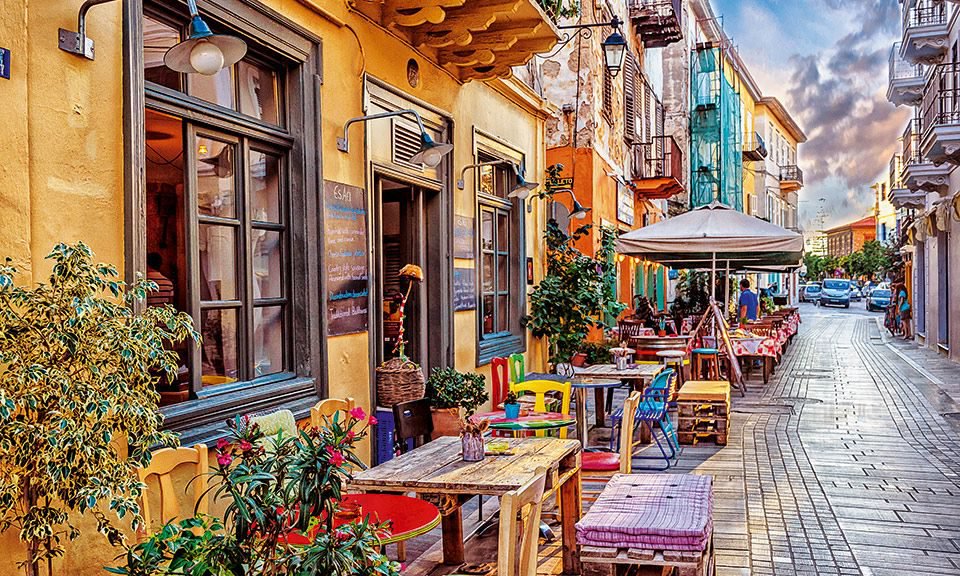
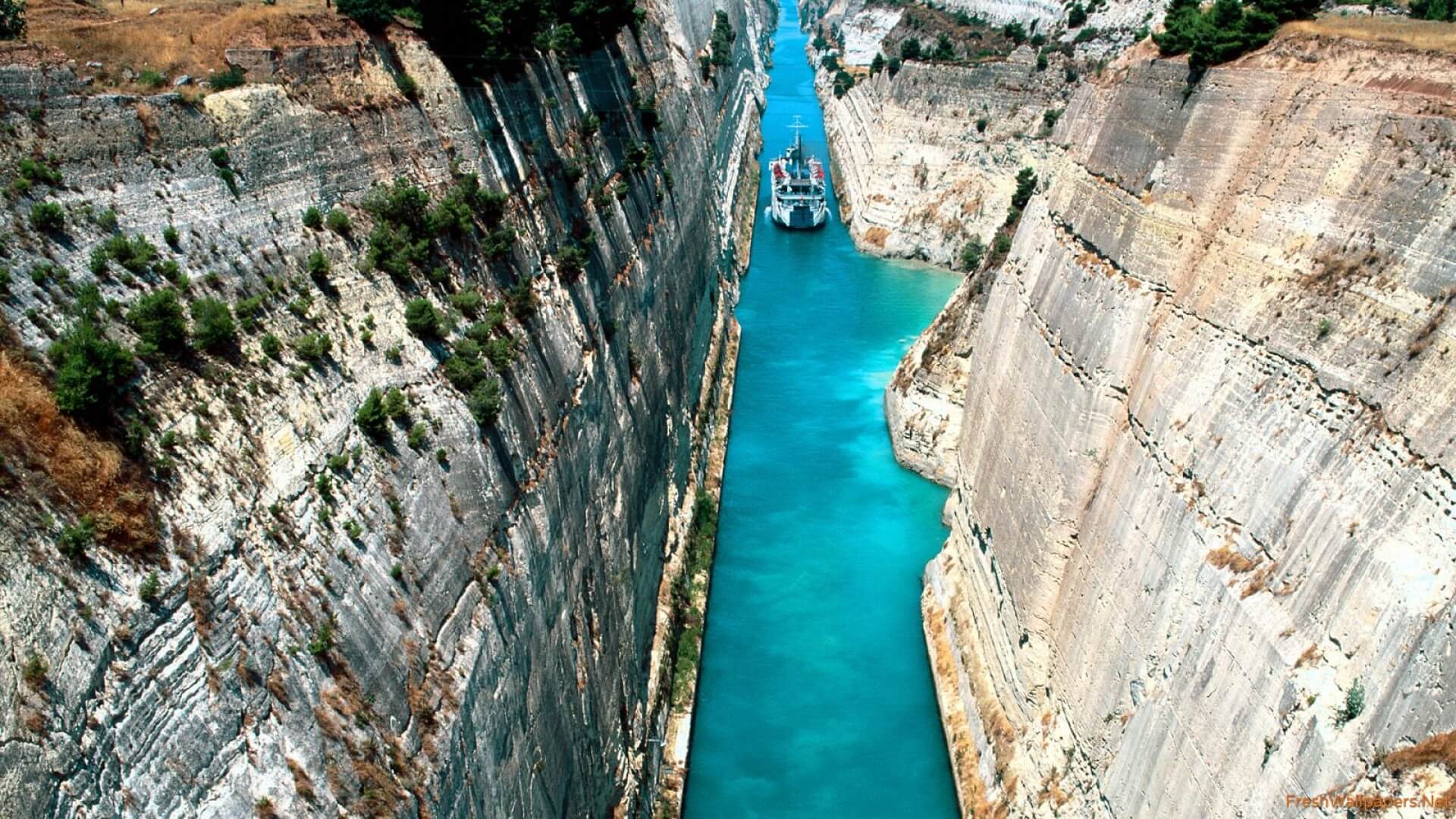
Depart from Athens by the coastal road to the Corinth Canal (short stop). Drive on and visit the Theatre of Epidaurus, famous for its remarkable acoustics. Then proceed to the town of Nafplion (short photo stop), drive on to Mycenae and visit the Archaeological Site and the Tomb of Agamemnon. Then depart through Central Peloponnese and the towns of Tripolis and Megalopolis.
Overnight: Olympia| Meal Plan: Dinner included.
In the morning visit the Archaeological Site with the Sanctuary of Olympian Zeus, the Ancient Stadium and the Archaeological Museum. Then drive on through the plains of Eliad and Achaia until the magnificent bridge which is crossing the Corinthian Bay from Rion to Antirion. Pass by the picturesque towns of Nafpactos (Lepanto) and Itea, arrive in Delphi.
Overnight: Delphi| Meal Plan: Breakfast and dinner included.
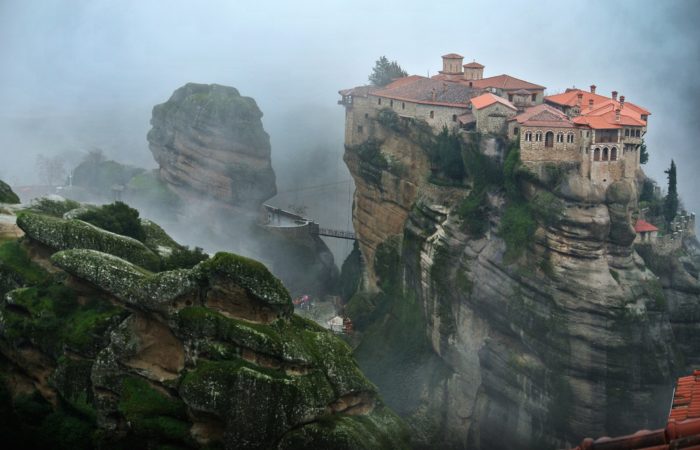
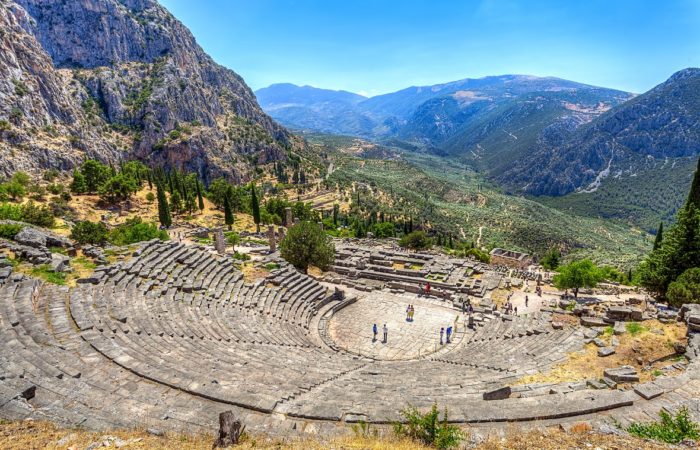
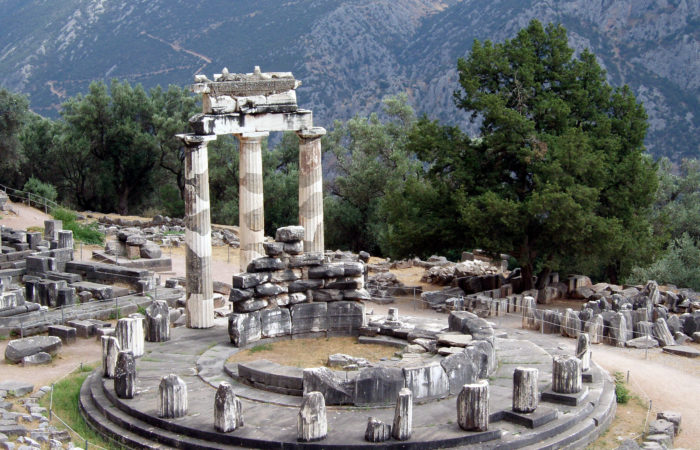
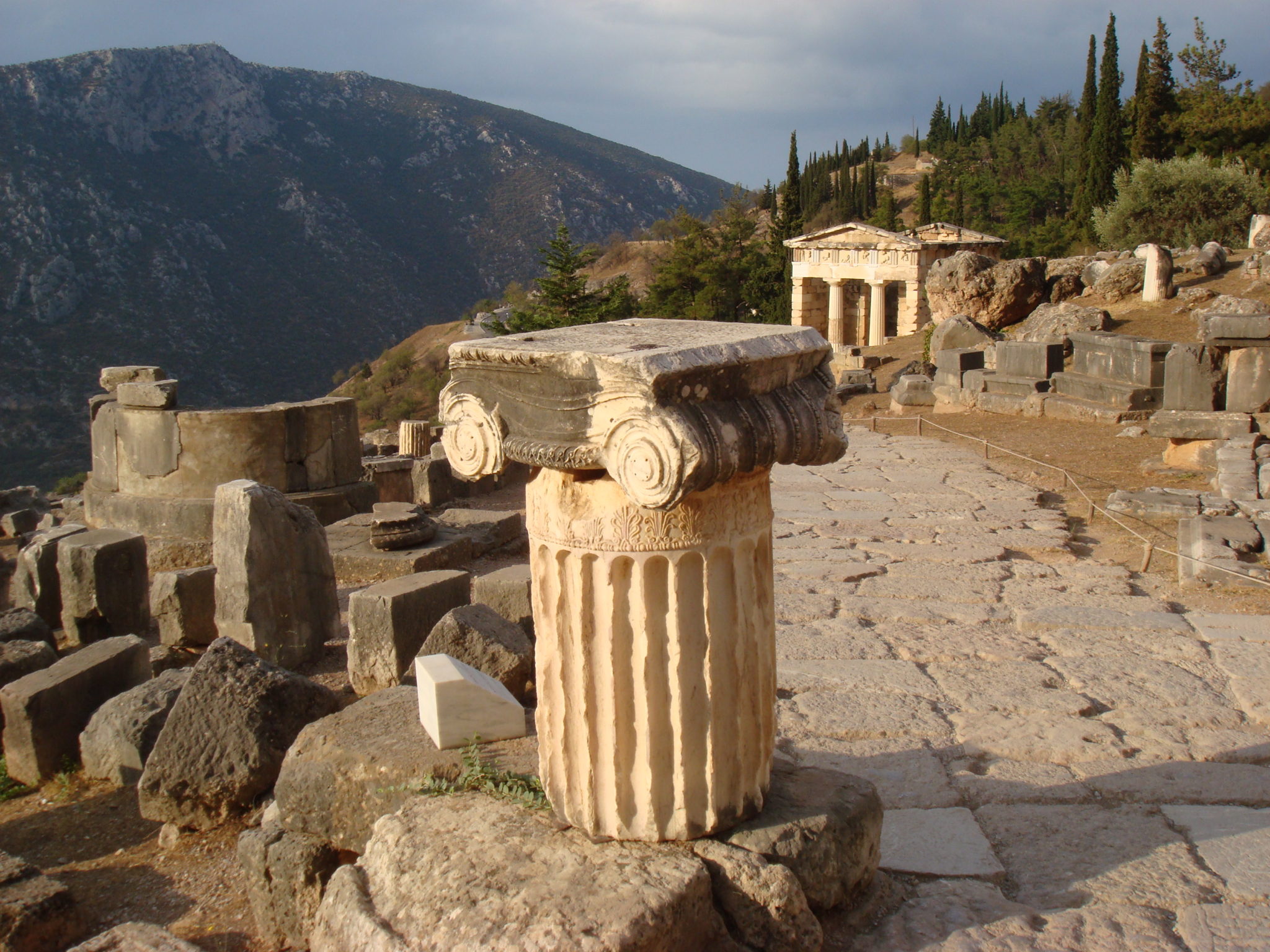
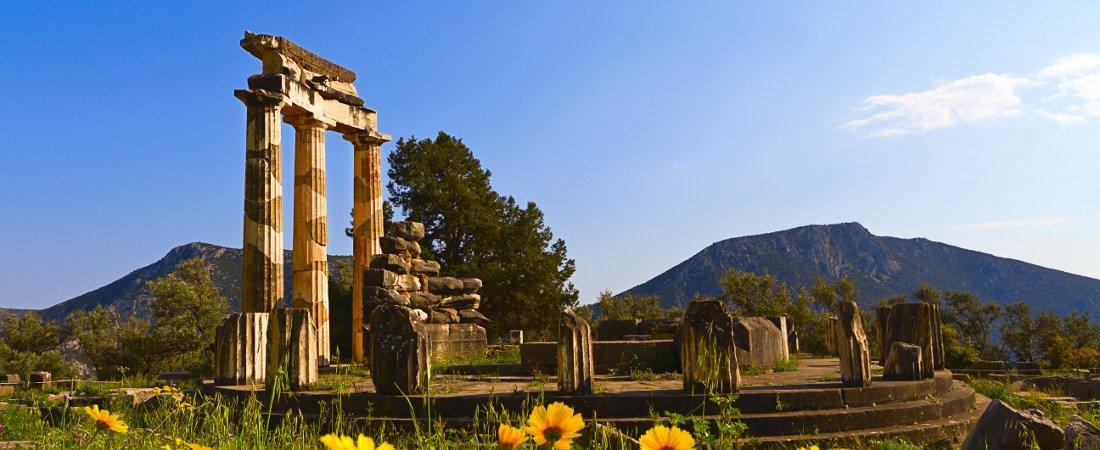
In the morning visit the Archaeological Site and Museum of Delphi. Then depart for Kalambaka, a small town situated at the foot of the astonishing complex of Meteora, gigantic rocks.
Overnight: Delphi| Meal Plan: Breakfast and dinner included.
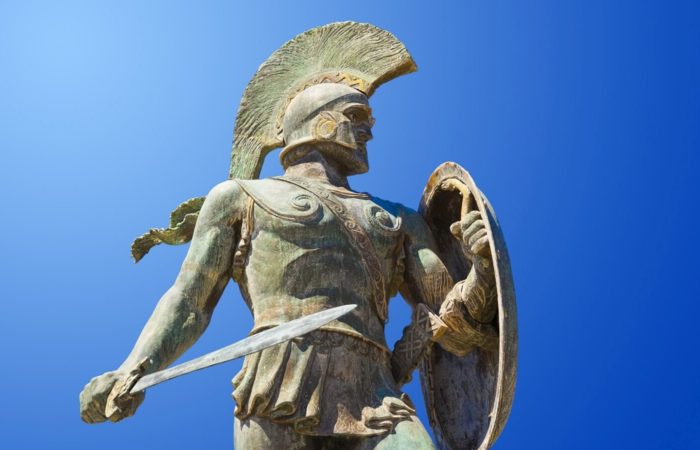
Visit Meteora and enjoy a unique and most impressive scenery with the ageless Monasteries, containing priceless historical and religious treasures, standing between Earth and Sky atop huge rocks. Return to Athens via Trikala, Lamia and Thermopylae making a short stop to see from across the road the Leonida’s Monument. Arrive Athens early evening around 19:00.
Meal Plan: Breakfast included.
* For visit of the Monastery ladies need to wear a skirt, gentlemen long trousers.
Accommodation at chosen hotel category, on half board basis.
Transportation with fully Air Conditioned non-smoking deluxe coach.
Professional English speaking guide assistance during the tour.
Museum tickets and entrance fees where necessary.
Meals where shown in the itinerary.
24×7 support during your trip.
International airfare to/from Greece.
Overnight city tax. To be paid directly to the hotel.
Travel insurance, visa fee, lunches, personal expenses, gratuities to the guide and driver, optional trips.